Table Of Content
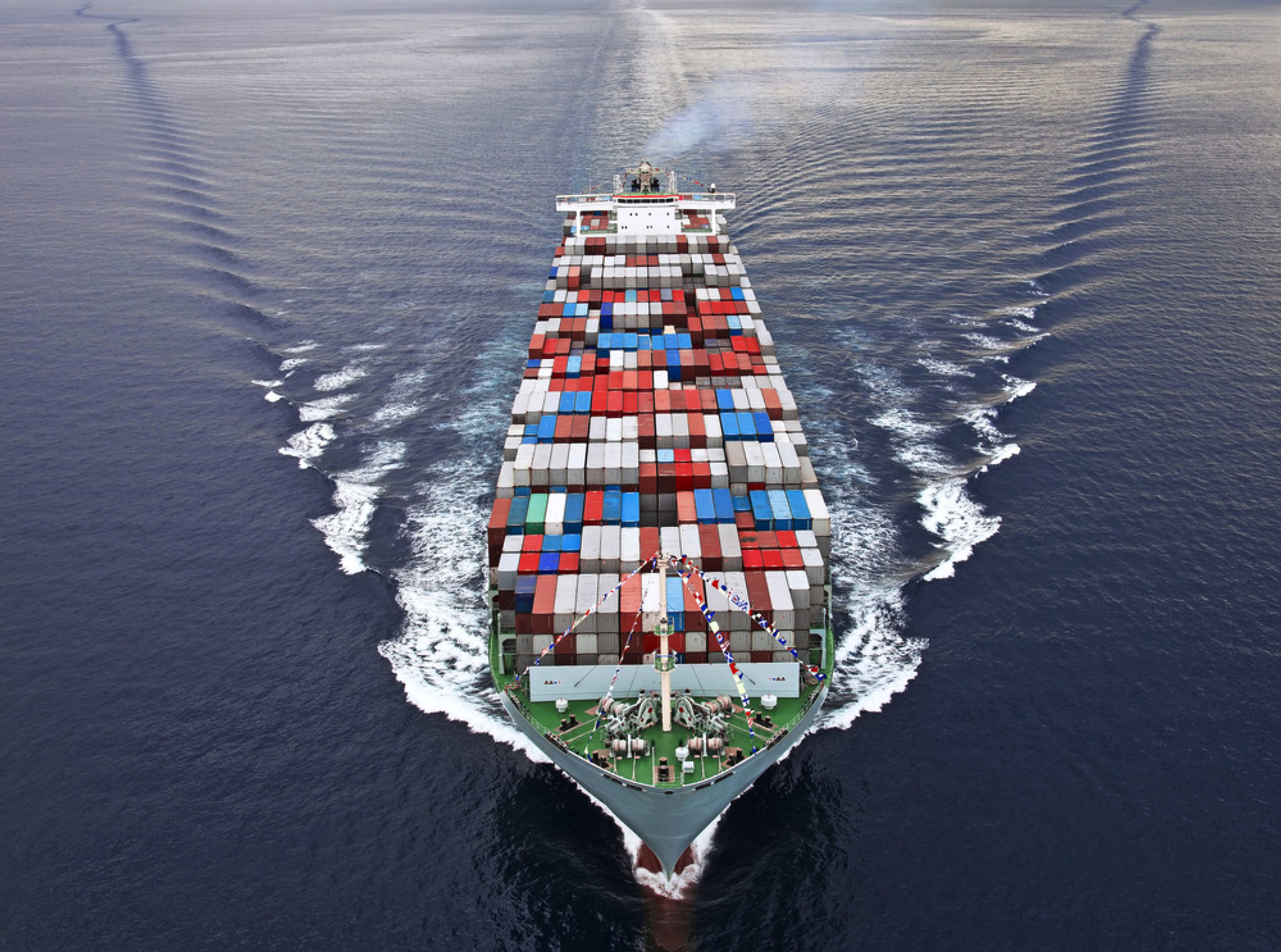
It is important to note that while these factors significantly influence gas consumption, cruise operators are actively exploring strategies to reduce their environmental impact. From adopting new technologies to implementing fuel-efficient practices, the cruise industry is committed to finding innovative solutions to minimize fuel consumption and promote sustainability. Auxiliary power consumption, including lighting, air conditioning, and other onboard facilities, also contributes to fuel usage. By adopting energy-efficient technologies and implementing sustainable practices, cruise lines can reduce the energy demands of these systems and minimize overall fuel consumption. Given their enormous size and the need to power multiple systems and amenities, cruise ships have a significant appetite for fuel.
Future Trends in Fuel Consumption
This means that the ship travels approximately 0.002 miles for every gallon of fuel it consumes. To refuel, teams take barges loaded with marine fuel to the cruise ship in a process called bunkering. The cruise ship operators empty their oldest reserves into the engines to make way for new fuel. Then, a team of bunkering professionals don safety gear and carefully sail a barge to the cruise to fill its tanks. Cruise companies like Royal Caribbean desire to use LNG fuel beyond just reducing a carbon footprint. The less emissive gas costs much less than diesel and sulfur-based fuels.
Propulsion Types and their Fuels for Cruise Ships
Wartsila Marine technologies aim to optimize ship performance, but also allow to locate deviations from normal parameters of equipment and engines. This allows emerging problems and engine fault sources to be fixed before they occur. However, the changing market is shifting fast towards the LNG sources for propulsion.
Can Cruising Really Become More Eco-Friendly? - AFAR Media
Can Cruising Really Become More Eco-Friendly?.
Posted: Wed, 13 Sep 2023 07:00:00 GMT [source]
Shore-to-Ship Power Supply
All ship links redirect to the vessel's "itinerary-schedule-current position" page. "Rotor Sail Solution" is an innovative technology developed by the company Norsepower Ltd (Finland) in 5 years. It reduces fuel consumption and also COx emissions up to 900 tons per year (depending on wind conditions). The ship is powered by a total of five Wartsila dual-fuel engines - three 12-cylinder (model 12V50DF, combined output 34,2 MW) plus two 6-cylinder (model 6L50DF, combined output 11,4 MW).
In contrast, a ship traveling from San Juan to St. Thomas would go around 70 nautical miles and would use about 7,088 gallons of fuel. Though these numbers aren’t exact and don’t account for other factors such as speed, they demonstrate how distance makes a difference regarding fuel consumption. Traveling at a speed slower than 20 knots is “slow steaming,” and it’s a highly effective way to reduce fuel consumption. For example, according to the American Bureau of Shipping, a 10% reduction in speed allows the ship to save about 20% in fuel. The average speed is about 20 to 25 knots, according to the International Maritime Organization (IMO).
From utilizing diesel-electric or gas turbine engines to exploring alternative fuels like LNG, cruise operators are continuously striving to reduce emissions and dependence on fossil fuels. It is important to note that fuel consumption can vary significantly based on the type of engine installed on the ship. Diesel-electric engines, known for their higher fuel efficiency compared to gas turbine engines, can consume less fuel per day. Cruise lines are also exploring alternative fuel technologies, such as liquefied natural gas (LNG), to further reduce fuel consumption and minimize environmental impact. The environmental consequences of cruise ship gas consumption include air and water pollution, oil spills, disturbance to marine life, and coral reef damage.
This lowers the consumption significantly in comparison to the standard diesel propulsion. The big sets of alternators produce the power that is useful to drive heavyweight electric motors. Lastly, varying weather conditions make an impact on fuel consumption, particularly wind and wave strength and direction. For example, according to the IMO, a slight increase in wind hitting the front of a vessel could result in a 4% rise in fuel consumption. To avoid poor weather and higher fuel costs, the captain may choose a different route. Usually, the fastest route will also use the lowest amount of fuel and encounter the least amount of weather-related damage.
Distance Traveled by Cruise Ships on a Gallon of Fuel
For especially long sailings – more than 14 days – there’s a chance that the ship will also have to stop to refuel. The type of fuel that the cruise ship needs also affects the total fuel cost. The top factors are the cost of fuel, fuel type, size of the ship, length of sailing, and speed. When considering how much it costs to fuel a cruise ship, you must also consider the factors that determine this cost. Let’s check out the factors that largely affect how much it costs to fuel a cruise ship. As you can imagine from their size, the cost of running a cruise ship is significant.
Gas-turbine cruise ship power system
Gas turbines drive generators which in turn provide electricity to propeller motors. They recover heat from gas turbines' exhaust, which then is used to produce the electricity needed for onboard services (air conditioning, water heating). The main advantage of the diesel-electric cruise ship engine systems is efficiency as they allow main engines to operate near the most efficient speed, no matter if the ship is moving at 5 or 25 knots. To eliminate the demerits of diesel fuel, modern cruise ships are using LNG propulsion. The storage of LNG and its usage parameters differ from that of any other available fuels.
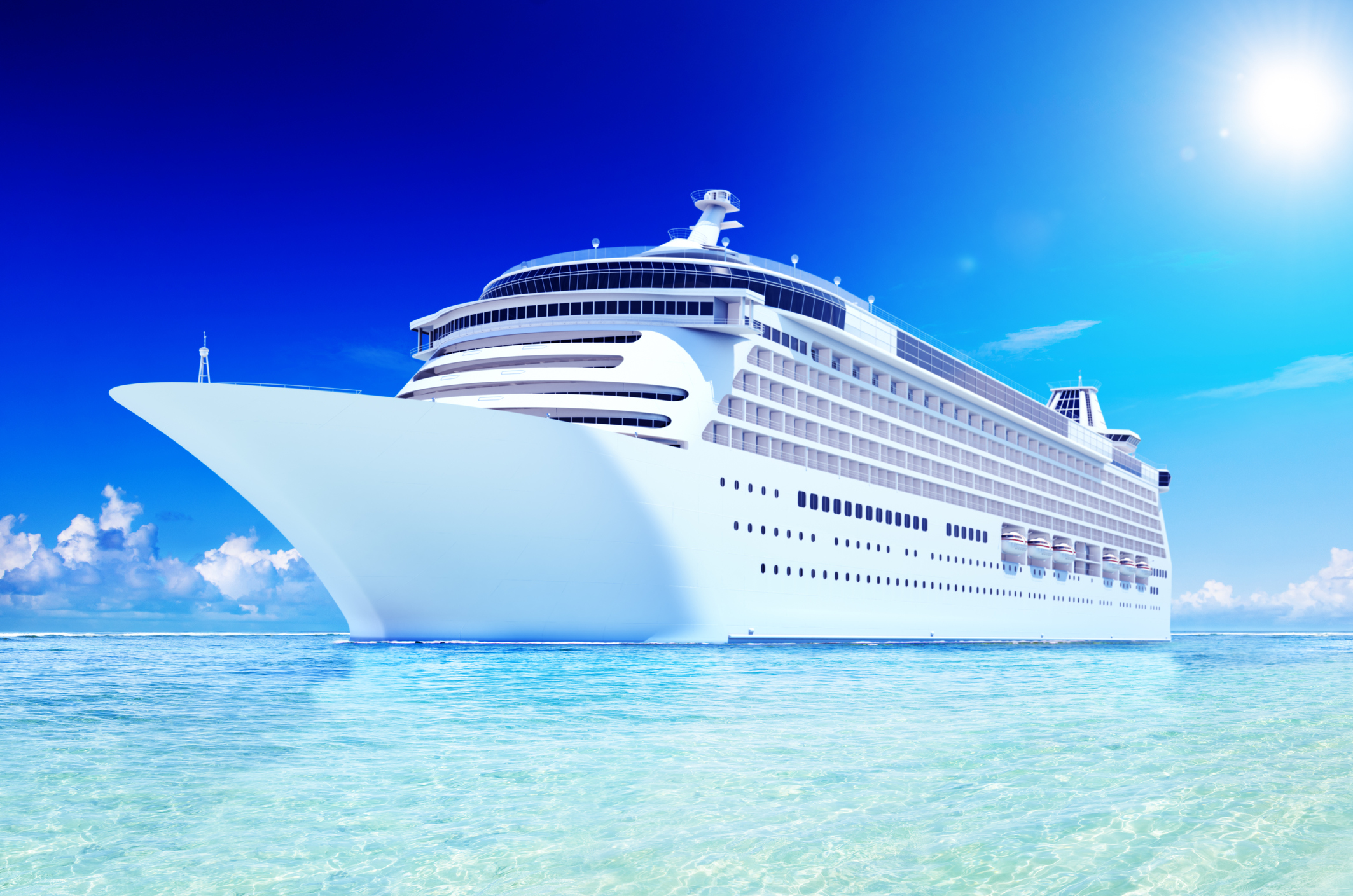
If you do the math, that means that a cruise ship can travel about 600 nautical miles without stopping, or the distance between the Yucatan Channel and Jacksonville, Florida. To help break down what those numbers mean practically, let’s dive into a cruise ship’s fuel capacity, standard distance per tank, how they refuel, and more. We will examine Royal Caribbean’s Oasis Class ships as our subject, the most extravagant luxury liners in the world.
The rotor sail system is automated and shuts down when unfavorable changes in wind force or direction occur. When compared to traditional marine engines, in gas mode, the ship's engines produce 1/4 less COx, 2/3 less NOx, zero SOx and no soot particles. Rolls Royce is the manufacturer of the world's largest GAS marine turbine "Rolls-Royce MT30". The turbine will provide the immense 109 MW of power for the 2 propellers, all the weaponry, radars, command sys, etc. of the new generation UK aircraft carriers of the Queen Elizabeth class.
Regular-sized ships, by contrast, may use up to 150 tons of fuel per day. Many new cruise ships are powered by liquified natural gas (LNG), which burns cleaner than traditional diesel or gas-powered engines. While LNG provides many environmental benefits, it has a lower fuel density than diesel. These regulations aim to limit air and water pollution, implement waste management protocols, and promote sustainable practices across the industry.
At about 750 gallons, these luxury liners consume tons of fuel per hour. Thanks to LNG fuel innovations, the cruise industry is moving towards lower costs and a greener future. While cruise ships can stay at sea for almost two weeks on their massive fuel supplies, they often refuel every two or three days. That’s because it’s convenient for Royal Caribbean and other liners to fill up the tank when they arrive at ports around the world, usually every few days as part of their route.




No comments:
Post a Comment