Table Of Content
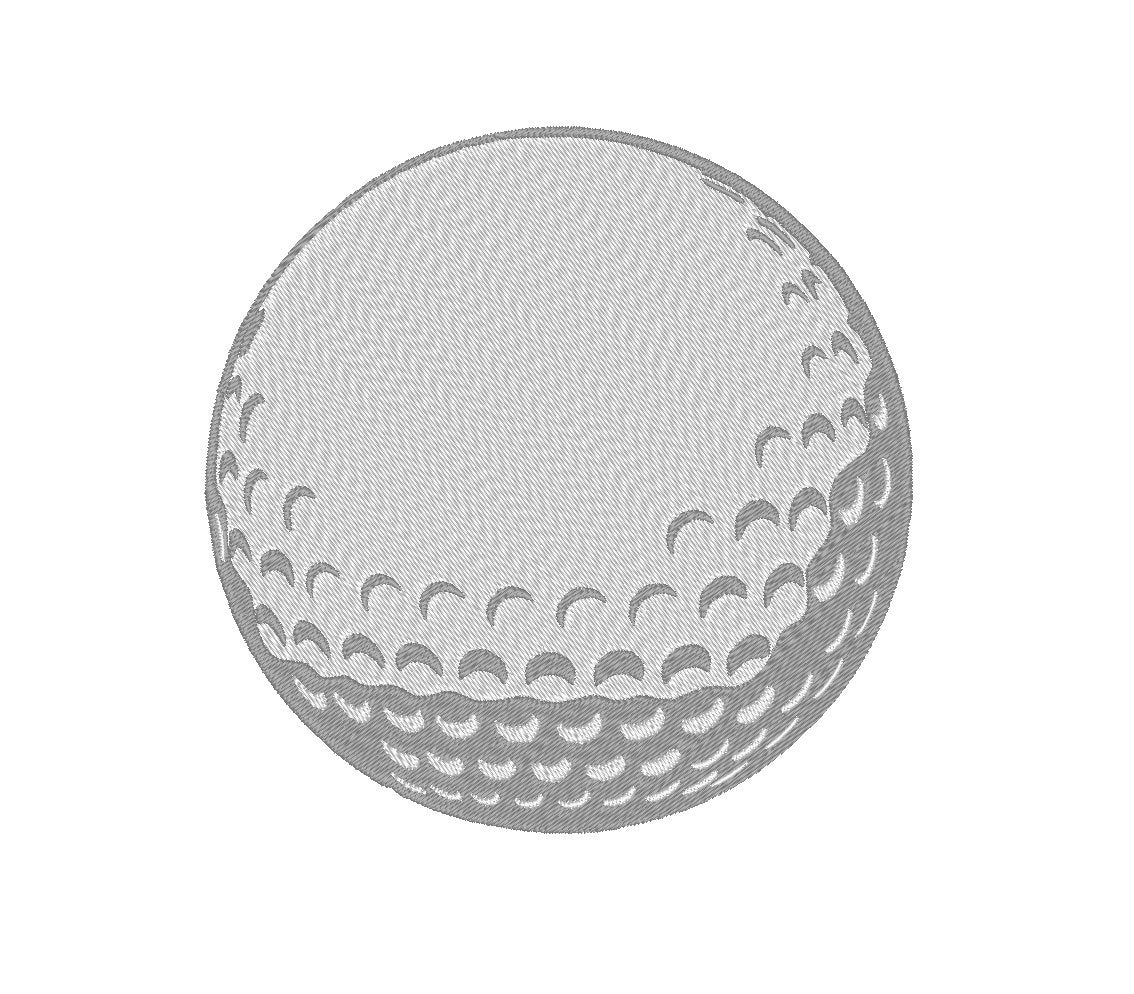
The design allows for a more consistent ball flight and longer distances. Golf ball covers are made from a variety of materials, including urethane, Surlyn, and ionomer. The golf ball market is competitive, with many manufacturers producing high-quality balls for players of all skill levels.
What Are the Materials Used In The Golf Balls Manufacturing Process?
But if you don’t have the same swing speed, you’re just making golf harder on yourself. For example, some golf balls are cheaper and built more for distance than anything else. Others are more expensive and provide distance plus a good amount of spin.
Practice/range balls
Callaway and Titleist are two of the most popular brands on the market. Most of us focus on golf clubs and swing tips, but the right ball can make a big difference too. It will vary by golfer, but the TP5x golf ball could lower spin 500 RPMs on average as compared to the TP5 golf ball which would have higher spin numbers. Use the device to look at distances numbers for each golf ball such as carry, roll, and total distance to help you decide which golf ball you are hitting the farthest. The dimple patterns also vary by manufacturer and have changed throughout the years as research and testing continues to find new ways to unlock optimal performance with dimple pattern design changes.
Impact of Dimple Depth and Size
Advancements in golf ball technology have led to the development of golf balls with improved performance characteristics, with dimples being one of the most significant advancements. The pattern of the dimples on a golf ball can have a significant impact on its performance. Golf ball manufacturers use a variety of dimple patterns to optimize the ball’s flight characteristics. The most common dimple pattern is the two-piece design, which features a single large dimple in the center of the ball, surrounded by smaller dimples. This design creates a more stable flight and reduces the amount of spin on the ball.
The History of Golf Balls

Hitting a golf ball with too low of spin rate, keeps the ball from getting high enough in the air to maximize horizontal distance. A golf ball’s construction has two main requirements it must adhere to. The first is that the golf ball’s diameter must not be any smaller than 4.3 centimeters (1.7 inches).
Callaway Chrome Tour and Chrome Soft golf balls: 5 things you need to know - Golf.com
Callaway Chrome Tour and Chrome Soft golf balls: 5 things you need to know.
Posted: Wed, 03 Jan 2024 08:00:00 GMT [source]
Understanding Drag and Lift Forces
These balls were more durable and flew farther than wooden balls, but they were still smooth. It wasn’t until the early 1900s that golfers realized that balls with nicks and scratches in the surface actually flew farther than smooth balls. In 1898, the Haskell Golf Ball Company introduced the Haskell golf ball, which revolutionized the game of golf. The Haskell ball had a solid rubber core wrapped in rubber thread, which was then covered in a thin outer shell. The ball was perfectly spherical, which allowed for a more consistent ball flight.
TaylorMade wows again with limited-edition Season Opener collection
3 ways equipment companies could roll back golf-ball distance - Golf.com
3 ways equipment companies could roll back golf-ball distance.
Posted: Fri, 08 Dec 2023 08:00:00 GMT [source]
In the 1800s, the gutta percha ball was introduced, which was made from the sap of a Malaysian tree. These balls were more consistent and had a more predictable flight than wooden balls. The number of dimples on the ball is also an important factor to consider.
Below we lay out the custom golf ball options from seven different brands, including Bridgestone, Callaway, PXG, Srixon, TaylorMade, Titleist and Vice Golf (brands are listed in alphabetical order). There are no regulations on the number of dimples a golf ball can sport, and the dimple count ranges from 300 to 500 on most balls. The more dimples, the smaller they must be to fit the standard golf ball, but the number doesn’t specifically make one number better than another. Haskell wrapped a solid inner core with those same rubber threads in 1898 and tried a thin shell made of balatá sap in a raised design.
Advancements in Golf Ball Technology
Hard golf balls don’t compress as easily and require faster swing speeds to activate compression, thus these balls will have a higher compression rating. In the old days, soft golf balls were known for having low compression ratings, which means it doesn’t take as much swing speed to get them to compress. When the ball compresses (deforms) against the face, you feel that spring like effect where the ball shoots off the face. Urethane is a softer material than Surlyn, and is designed to help players get more feel and gain feedback easier on golf shots. However, the drawback of urethane covers is that they aren’t as durable and wear down quicker as compared to Surlyn, which is a highly durable cover. Square and triangular mesh balls were popular in the teens and twenties, but round dimples prevailed.
Since he was 12 years old, the former major winner has employed a multi-step visualization that came about through work with long-time mental performance coach Jason Goldsmith. Until recently, Day and Goldsmith kept the pre-shot process to themselves, believing it gave him a distinct mental edge over his peers on the course. We preach the importance of getting fit for clubs, but that same mantra should extend to the ball as well. Check out the 63 latest models in the industry below and target a few for testing.
The next design was the gutta percha ball (known as the “guttie”) golf ball which was invented by Dr. Robert Adams Patterson. It had a rubber-like feel and had much better aerodynamic qualities than the feather ball. They were also much cheaper to produce, better aerodynamic qualities, and became very popular. With low minimum orders and a variety of packaging options, customizing your golf balls for any event is straightforward and convenient. Plus, explore our personalized golf tees, available in bulk or various packages, to complement your custom golf balls. Golf is a sport where personal flair matters, and what better way to express yours than with custom golf balls?
G. Spalding company offered a patented solid-molded ball called the Unicore. Spalding followed with the two-piece Top-Flight in 1972 with a Surlyn cover that effectively ended bad-strike smiles and added distance. Premium tour-level balls often come with a higher price tag, while budget-friendly options still offer respectable performance for recreational players. Balancing cost and performance is key to finding the right ball within your budget. Velocity is also tested to ensure that golf balls meet specific speed requirements. A ball’s velocity is measured by hitting it with a club and measuring how fast it travels.
The mantle layer is located around the core and provides a balance between the core and cover. The cover is the outermost layer of the ball and is responsible for the ball’s spin and feel. The history of golf ball design is a fascinating one, and it helps to explain why dimples are so important. Early golf balls were made from wood, which meant they were smooth and didn’t travel very far. In the mid-1800s, golfers began experimenting with balls made from gutta-percha, a type of rubber.
The modern golf ball is made of a perfectly spherical ball with a solid round core and a larger round inner core. The outer layer is made of a thin cover, usually made of urethane or surlyn, which provides greater control and distance. The design of the modern golf ball is the result of years of research and development by golf ball manufacturers, experienced ball makers, and golf club manufacturers.



No comments:
Post a Comment